
Kibune and Lake Biwa Day Trip from Kyoto or Osaka

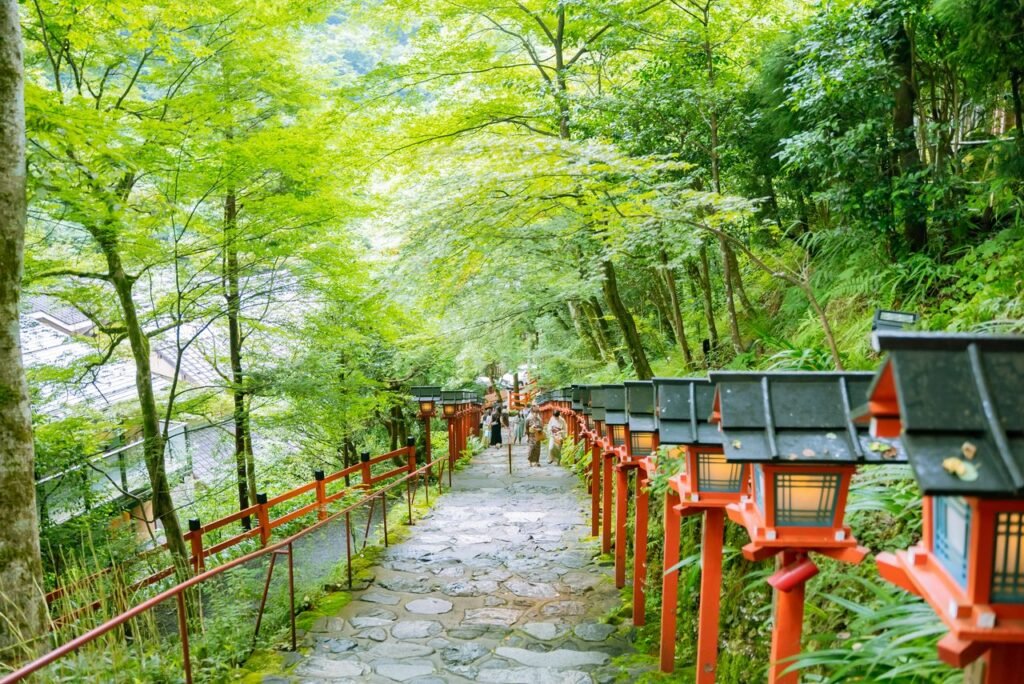
Lantern-lined stone path at Kifune Shrine in summer, Kibune, Kyoto

Quick Summary

👥
Best for: Travelers who have seen central Kyoto and want mountain shrines, a quiet temple village and lake views in one relaxed day, including couples, families and photographers
🕒
Total trip length: About 9 to 10 hours from Kyoto. From Osaka, add about 1 to 1.5 hours of driving, or skip one stop.
📍
Main stops: Kibune (Kifune Shrine and the Kibune River), Ohara's Sanzen-in Temple, and Shirahige Shrine with its torii gate in Lake Biwa, with an optional Kurama hike
🍁
Best season: May to September for riverside dining (kawadoko) in Kibune, and November for autumn color and Kifune Shrine's evening illumination

Is a Kibune and Lake Biwa Day Trip Worth It?

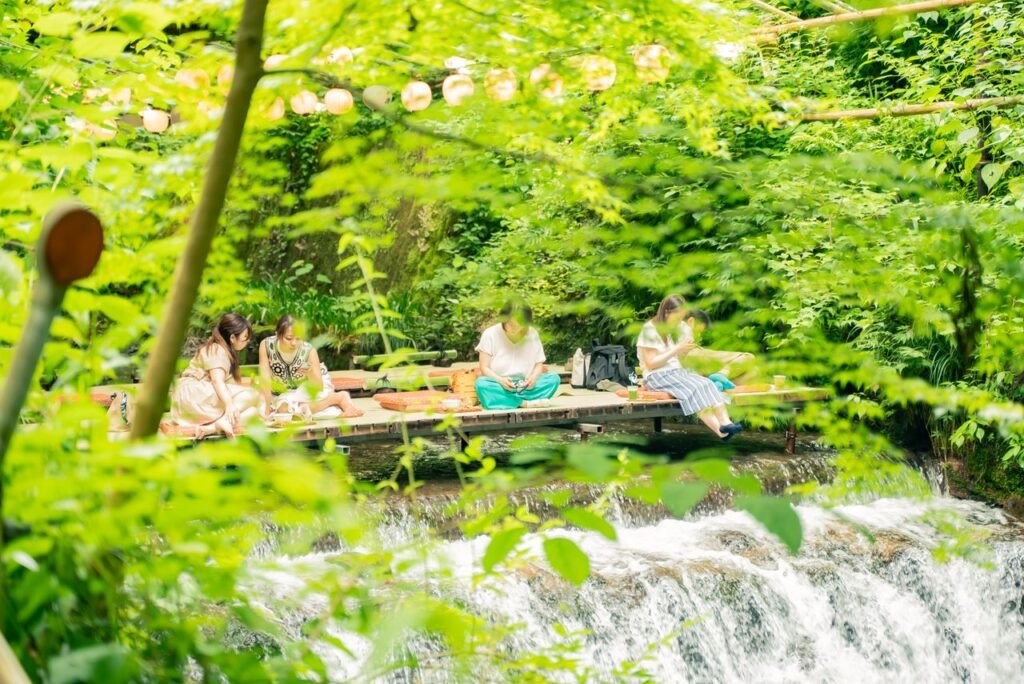
Yes, if you want a day of mountains, water and quiet shrines without leaving the Kyoto area. Kibune is a narrow riverside village in the hills north of Kyoto, home to Kifune Shrine (often written Kibune Shrine) and its lantern-lined stone steps. In summer, restaurants build dining platforms called kawadoko directly over the Kibune River, where the air is noticeably cooler than in the city.

On the other side of the mountains is Lake Biwa (琵琶湖), Japan's largest lake. On its west shore, Shirahige Shrine has a vermilion torii gate standing in the water, one of the most photographed views in Shiga Prefecture. On the way, the temple village of Ohara makes an easy stop.

The catch is that these places sit on different train and bus lines. Linking Kibune, Ohara and the lake by public transport means backtracking through Kyoto, which is why this loop works much better by car. See our Kyoto private driver and Osaka private driver pages for how we coordinate day trips like this.

How to Get to Kibune, Ohara and Lake Biwa

Each stop can be reached by public transport, but they are on different lines. Times below are approximate and are from central Kyoto.

StopBy train or busNotes
KibuneEizan Railway from Demachiyanagi Station to Kibuneguchi, about 30 minutes, then a short Kyoto Bus ride or a 30-minute uphill walk to the villageFrom Osaka, take the Keihan Line to Demachiyanagi first, about 1 hour.
Ohara (Sanzen-in)Kyoto Bus from Kyoto Station to Ohara, about 1 hour, then about a 10-minute walk to Sanzen-inThere is no direct public transport between Kibune and Ohara.
Shirahige ShrineJR Kosei Line from Kyoto Station to Omi-Takashima, about 40 minutes to 1 hour, then about a 40-minute walkTrains on the Kosei Line are less frequent outside rush hours.
All three by carOne loop of mountain roads from your hotel: Kyoto to Kibune about 40 minutes, Kibune to Ohara about 45 minutes, Ohara to Shirahige about 1 hourNo backtracking through Kyoto between stops.

Recommended Kibune and Lake Biwa Route

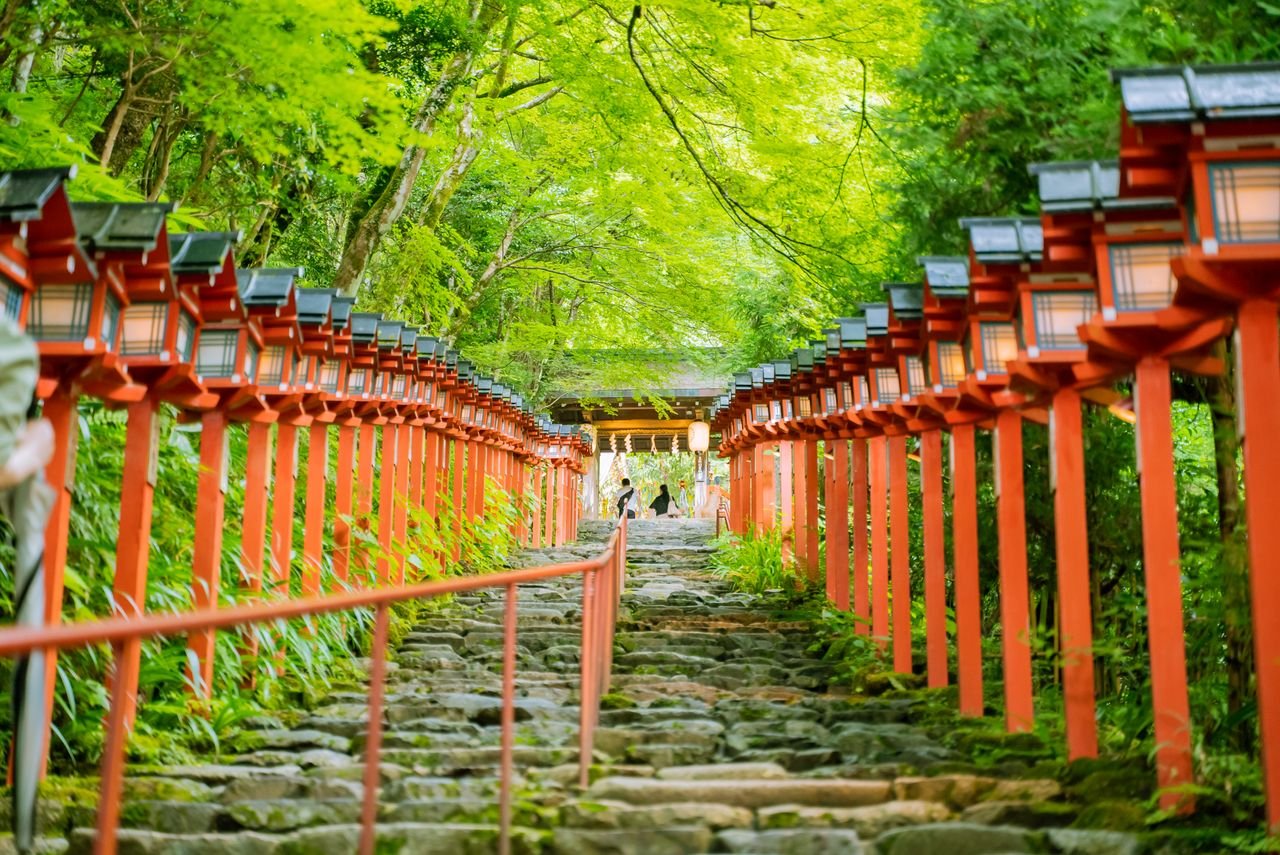
Stone steps lined with red lanterns at Kifune Shrine in Kibune, Kyoto

1 Kibune and Kifune Shrine

Suggested time: 2–3 hours, including lunch

Start in Kibune, about 40 minutes by car north of Kyoto Station. Walk up the stone steps lined with red lanterns to the main shrine, try the mizu-mikuji water fortune (the writing appears when you float the paper on the spring water), and continue along the river to the inner shrine. Entry to the shrine is free.

Kawadoko season: From May 1 to September 30, Kibune's restaurants serve lunch and dinner on platforms over the river. Book ahead, especially for July and August weekends, and expect seating to move indoors if it rains. Kawadoko lunch is usually served from about 11:00 am to 3:00 pm. Many restaurants only take reservations and serve set courses, often with a minimum price per person, so check the menu when you book.

Optional Kurama hike: If you enjoy walking, your driver can drop you at Kurama-dera Temple and meet you in Kibune. The trail over the mountain is about 3.9 km and takes 2 to 3 hours, so it usually replaces the Ohara stop.
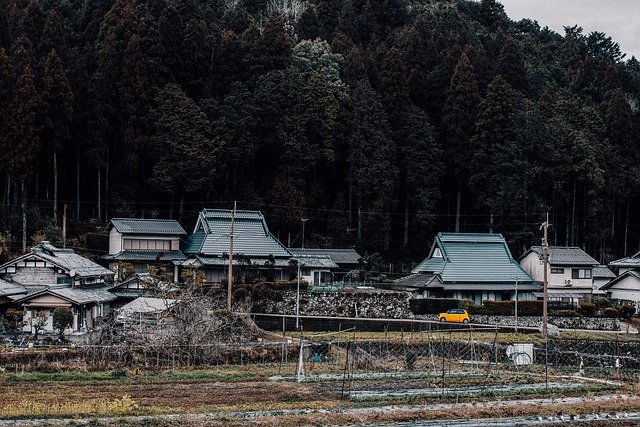
Traditional houses in the mountain village of Ohara, Kyoto

2 Ohara and Sanzen-in Temple

Suggested time: About 1.5 hours

Ohara is a rural temple village in the hills northeast of Kyoto. Its best-known temple, Sanzen-in, has moss gardens, maple trees and small stone statues tucked among the greenery. The short lane up to the temple has shops selling pickles and snacks.

Good to know: Sanzen-in is open daily (8:30 am to 5:00 pm from March to early December, shorter hours in winter). Admission is 700 yen for adults. Check current details before you go.
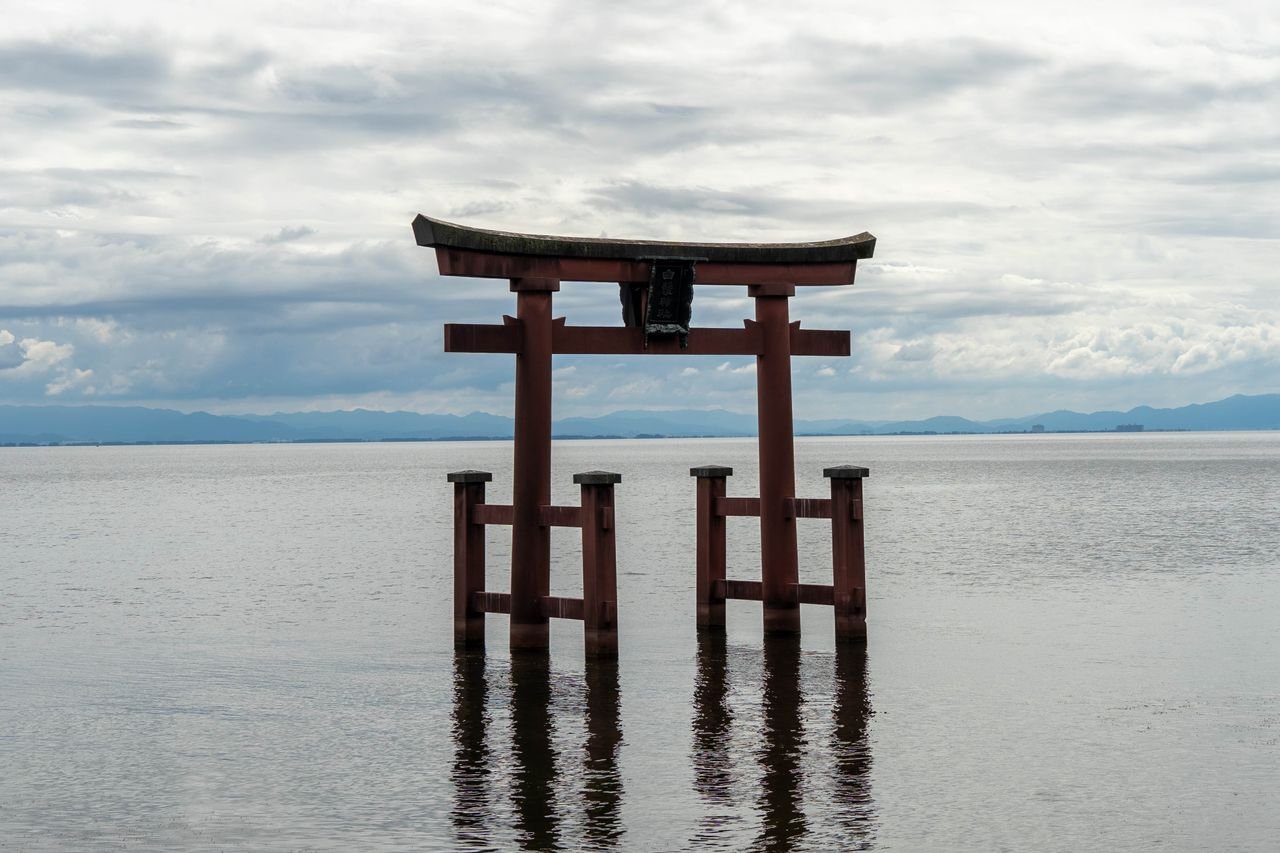
Shirahige Shrine torii gate standing in Lake Biwa

3 Shirahige Shrine on Lake Biwa

Suggested time: About 45 minutes

From Ohara, the road crosses the mountains to the west shore of Lake Biwa. Shirahige Shrine, in Takashima, is known for its torii gate standing in the lake, with the water and hills behind it. Entry is free, and there is a free parking area.

Safety note: A busy main road runs between the shrine and the lake, and the shrine asks visitors not to cross it to reach the shore. Use the viewing area by the shrine office for photos instead.

Mornings are often calmer, so if you prefer, the route can be reversed to start at the lake and finish in Kibune for an evening meal or the November illumination.
Suggested Schedule

TimePlan (Kyoto start)
8:30 AMHotel pickup in Kyoto
9:15 AMKibune: Kifune Shrine, lantern steps and the river walk
11:00 AMLunch in Kibune (riverside kawadoko from May to September)
12:30 PMDrive to Ohara
1:15 PMSanzen-in Temple and the Ohara village lane
2:45 PMDrive over the mountains to Lake Biwa
3:45 PMShirahige Shrine and lakeside views
4:30 PMReturn drive to Kyoto
5:45 PMHotel drop-off

These times are estimates. Traffic, season and how long you spend at each stop all change the day, and the roads around Kibune are narrow and can be busy in summer and autumn. From Osaka, expect about 1 to 1.5 hours of extra driving. To keep the day to around 10 hours, we usually suggest skipping Ohara or the Kurama hike. Tell us your starting point and pace in your quote request and we will adjust the plan.

Best Time to Visit Kibune and Lake Biwa

🌸 Spring: April–May

Fresh green maples in Kibune and Ohara, comfortable walking weather, and the start of kawadoko season on May 1.

☀ Summer: June–September

The best time for riverside dining in Kibune, which feels cooler than central Kyoto. Book kawadoko lunch well ahead for weekends.

🍁 Autumn: November

Autumn color in Kibune and at Sanzen-in. Kifune Shrine holds an evening illumination in November. Expect more traffic on weekends.

❄ Winter: December–February

Quiet, with a chance of snow in Kibune and Ohara. Mountain roads can be affected by snow, so allow flexible timing.

Event dates and opening hours change from year to year, so check the latest details before your trip.

Who This Day Trip Is Best For

This route is a good fit for:

  • Travelers who have already seen Kyoto's main temples and want nature and quieter shrines
  • Summer visitors looking for a cooler escape from the city
  • Photographers who want Kibune's lantern steps and the Lake Biwa torii in one day
  • Families and seniors who prefer not to manage several train and bus connections
  • Repeat visitors to Kyoto or Osaka

If you prefer an easier half day close to the city, see our Uji day trip guide.

Train and Bus vs. Private Driver

Each stop is reachable on its own by public transport. Kibune is about 30 minutes from Kyoto's Demachiyanagi Station on the Eizan Railway to Kibuneguchi, then a short bus ride or walk. Ohara has buses from central Kyoto. Shirahige Shrine is about 40 minutes on foot from JR Omi-Takashima Station.

Combining all three in one day is the hard part. There is no direct connection between Kibune, Ohara and the lake shore, so you would return toward Kyoto between stops and lose much of the day in transfers. With a private driver, you are picked up at your hotel and follow the mountain roads in one loop, with time to linger at each stop.

Essential Travel Tips

Book Kawadoko Early

Riverside lunch in Kibune is popular in July and August. Reserve directly with the restaurant, and ask about indoor seating if rain is forecast.

Wear Comfortable Shoes

Expect stone steps at Kifune Shrine, sloped lanes in Ohara, and a mountain trail if you add Kurama.

Bring a Light Layer

Kibune and Ohara are cooler than central Kyoto, especially in the morning and evening.

Stay Off the Road at Shirahige

Do not cross the main road to the lake shore. Photograph the torii from the viewing area instead.

Bring Some Cash

Small shops, temple fees and some restaurants prefer cash.

Frequently Asked Questions

Can you visit Kibune and Lake Biwa in one day from Kyoto?

Yes. By car it is a full day of about 9 to 10 hours, including Ohara on the way. By public transport it is much harder, because the stops are on different lines and you would need to return toward Kyoto between them.

Can you do this trip from Osaka?

Yes. Expect about 1 to 1.5 hours of extra driving compared with a Kyoto start. To keep the day manageable, we usually suggest skipping one stop, such as Ohara.

When is kawadoko season in Kibune?

Riverside dining in Kibune runs from May 1 to September 30. Reservations are recommended, especially for July and August weekends.

Is it safe to photograph the Shirahige Shrine torii?

Yes, from the viewing area by the shrine office. The shrine asks visitors not to cross the busy main road to reach the shore, as there have been accidents.

Can I add the Kurama to Kibune hike?

Yes. The trail is about 3.9 km and takes 2 to 3 hours. Your driver can drop you at Kurama and meet you in Kibune. It usually replaces the Ohara stop to keep the day within 10 hours.

Is Kifune Shrine the same as Kibune Shrine?

Yes. The shrine's official name is Kifune Shrine, while the village is usually called Kibune. Both spellings are common in English.

Group enjoying a serene kawadoko setting by a stream in lush Kyoto, Japan.

Need a Private Driver for Your Kibune and Lake Biwa Day Trip?

Tell us whether you are starting from Kyoto or Osaka, your hotel, date, and group size, and we will recommend the best vehicle and route for a comfortable day.