
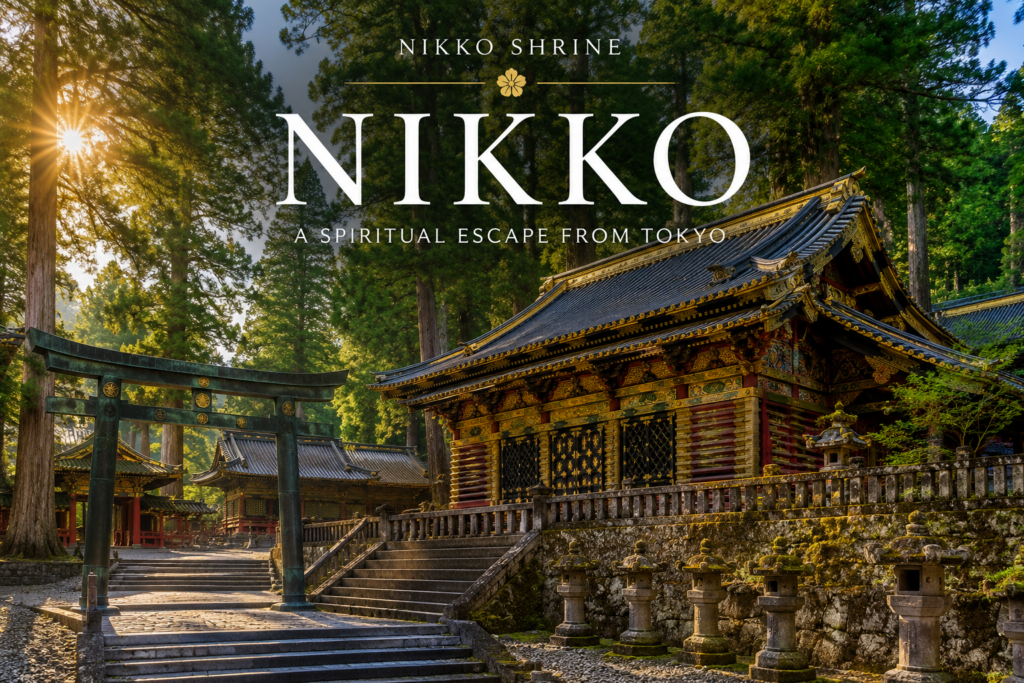
Nikko Day Trip from Tokyo: 1-Day Itinerary & Travel Guide

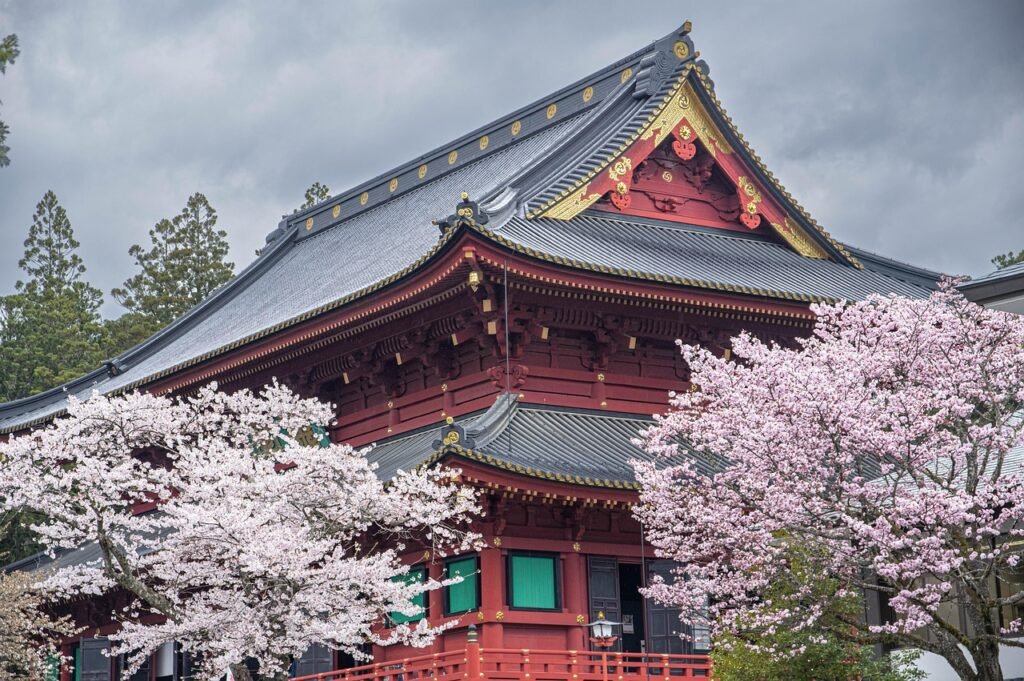
Toshogu Shrine in Nikko

Quick Summary

👥
Best for: History lovers, nature enthusiasts, photographers, families, couples, and first-time visitors to Japan
🕒
Total trip length: Around 10–11 hours
📍
Main stops: Shinkyo Bridge, Toshogu Shrine, Rinnoji Temple, Kegon Falls, and Lake Chuzenji
🍁
Best season: Autumn for foliage, spring for greenery, and winter for snow-covered temples

Is Nikko Worth a Day Trip from Tokyo?

Absolutely. Located just under two hours north of Tokyo, Nikko offers one of the most rewarding day trips in Japan. Unlike Tokyo's bustling streets, Nikko is filled with ancient cedar forests, UNESCO World Heritage shrines, mountain lakes, and spectacular waterfalls.

It is especially popular with travelers who want to experience both Japanese history and natural scenery in a single day.

Nikko is a great choice if you want:

  • UNESCO World Heritage temples and shrines
  • Beautiful mountain scenery
  • Autumn foliage
  • Waterfalls and lakes
  • Family-friendly sightseeing
  • A quieter alternative to central Tokyo

Nikko can be reached by train, but its main attractions are spread across central Nikko and the mountain area around Lake Chuzenji. A Tokyo private driver makes it much easier to visit Toshogu Shrine, Kegon Falls, and Lake Chuzenji in one day without relying on local bus schedules.

How to Get to Nikko from Tokyo

Nikko is about 140 km north of Tokyo. There are three main ways to get there by train, plus going by car. Times and fares below are approximate one-way figures for adults.

RouteTimeFare and notes
Tobu Limited Express from Asakusa or Tokyo Skytree to Tobu-Nikko (Spacia X, Revaty or Kegon)About 1 hr 50 minAround ¥3,000–4,000 depending on the train. All seats reserved. Not covered by the JR Pass.
JR Shinkansen from Tokyo or Ueno to Utsunomiya, then the JR Nikko Line to JR NikkoAbout 1 hr 45 min to 2 hrs, including the transferAbout ¥5,500. Covered by the JR Pass and JR East Pass.
JR/Tobu Limited Express "Nikko" from Shinjuku to Tobu-NikkoAbout 2 hrsAbout ¥4,140. Only a few trains a day. The JR Pass covers the JR section only.
Private driver from your Tokyo hotelAbout 2–2.5 hrs, depending on trafficDoor to door, and continues up to Kegon Falls and Lake Chuzenji without bus changes.

Tip: Tobu-Nikko and JR Nikko stations are next to each other, about a 30-minute walk or a short bus ride from Shinkyo Bridge and Toshogu Shrine. For the latest times and fares, check Tobu Railway or JR East.

Getting Around Nikko

Nikko has two main areas, and the best way to get around is different in each:

  • Central Nikko (World Heritage area): Shinkyo Bridge, Toshogu Shrine, Rinnoji Temple and Futarasan Shrine are close together and easy to walk between. Local buses run from the stations to Shinkyo Bridge and the shrine area.
  • Oku-Nikko (Kegon Falls and Lake Chuzenji): Tobu buses run from Tobu-Nikko Station up the Irohazaka winding road to Chuzenjiko Onsen in about 45–55 minutes. In peak autumn weekends, traffic on this road can add an hour or more.

NIKKO PASS: If you travel by Tobu train, Tobu sells passes that cover local buses. The NIKKO PASS World Heritage Area costs ¥3,000 for adults and ¥1,500 for children. The NIKKO PASS All Area, which also covers buses to Lake Chuzenji and the lake cruise, costs ¥8,000 for adults and ¥4,000 for children and is valid for 4 days. Limited express tickets and shrine admission are extra. See Tobu's NIKKO PASS page for details.

Recommended Nikko One Day Route

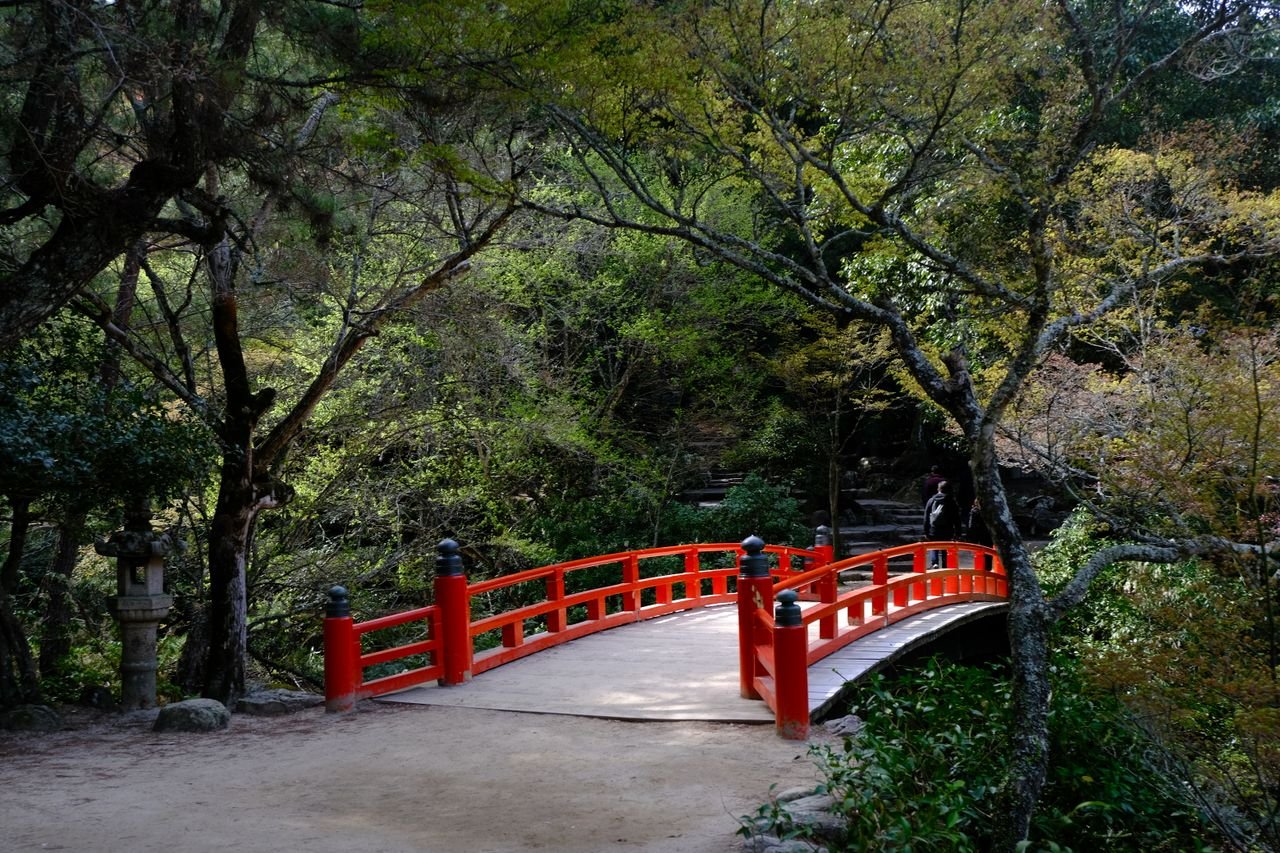
Shinkyo Bridge over the Daiya River in Nikko

1 Shinkyo Bridge

Suggested time: 20–30 minutes

Begin your Nikko day trip at Shinkyo Bridge, one of Japan's most famous sacred bridges. Painted in brilliant vermilion red, it spans the Daiya River and marks the entrance to Nikko's sacred temple complex.

The bridge is considered one of Japan's finest historic bridges and is one of the most photographed landmarks in Tochigi Prefecture.

Recommended things to do

  • Walk across the bridge when visitor access is available
  • Photograph the turquoise Daiya River below
  • Take photos from the roadside viewpoint
  • Visit early before the largest tour groups arrive
💡
Private driver tip

Starting at Shinkyo Bridge makes it easier to reach Toshogu Shrine before the largest crowds arrive.
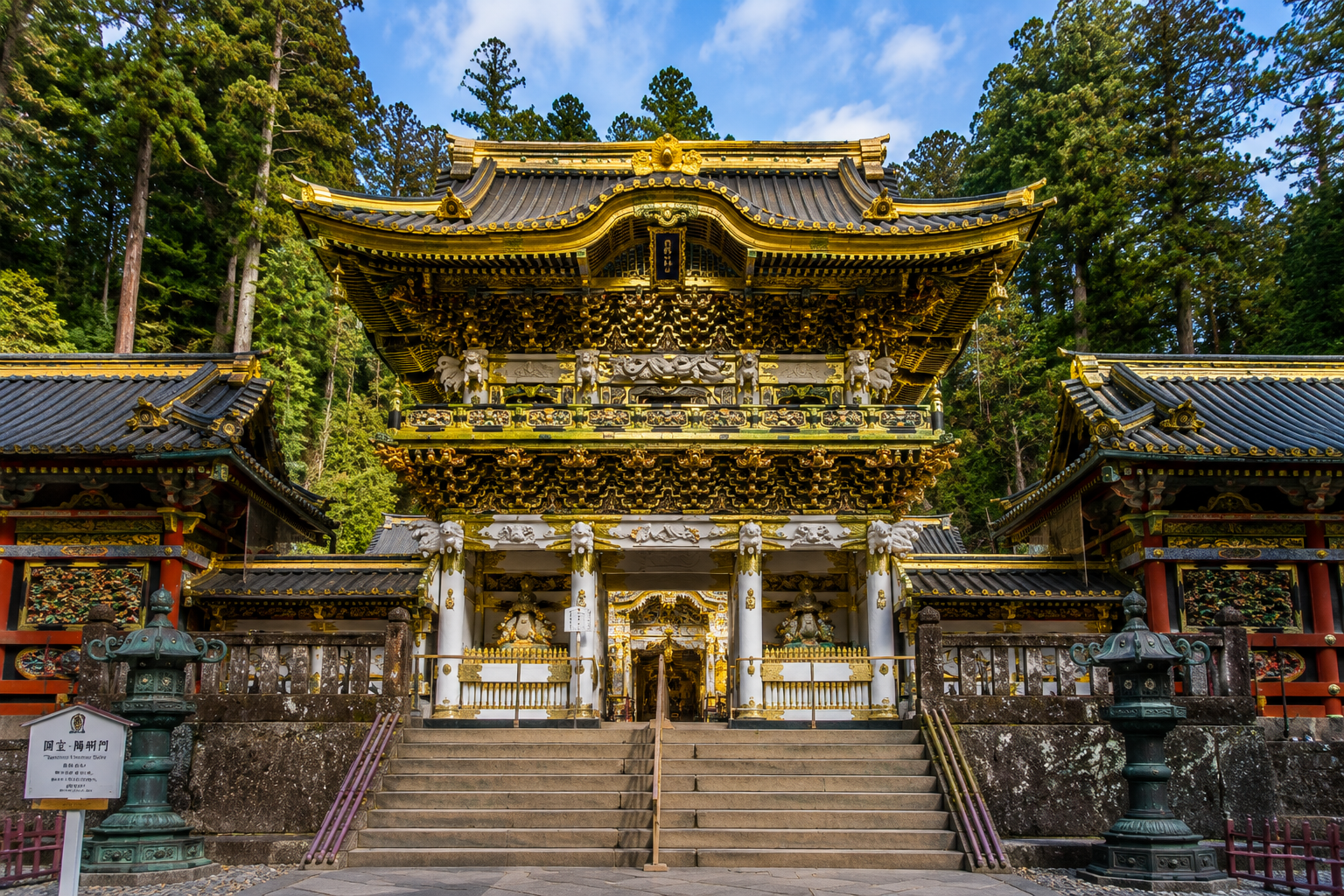
Golden carvings and architecture at Nikko Toshogu Shrine

2 Nikko Toshogu Shrine

Suggested time: 90–120 minutes

Toshogu Shrine is Nikko's most famous attraction and the final resting place of Tokugawa Ieyasu, founder of the Tokugawa Shogunate.

Unlike many traditional Japanese shrines, Toshogu is lavishly decorated with intricate wood carvings, vibrant colors, and gold leaf, making it one of Japan's most spectacular religious sites and a UNESCO World Heritage Site.

Don't Miss

  • The famous Three Wise Monkeys carving.
  • The Sleeping Cat (Nemuri-neko).
  • The magnificent Yomeimon Gate.
  • The elegant Five-Story Pagoda.
  • The beautifully decorated Sacred Stable.
💡
Private driver tip

Many group tours only spend about an hour here. With a private driver, you can explore the shrine grounds at your own pace, visit quieter corners, and enjoy the detailed architecture without rushing.
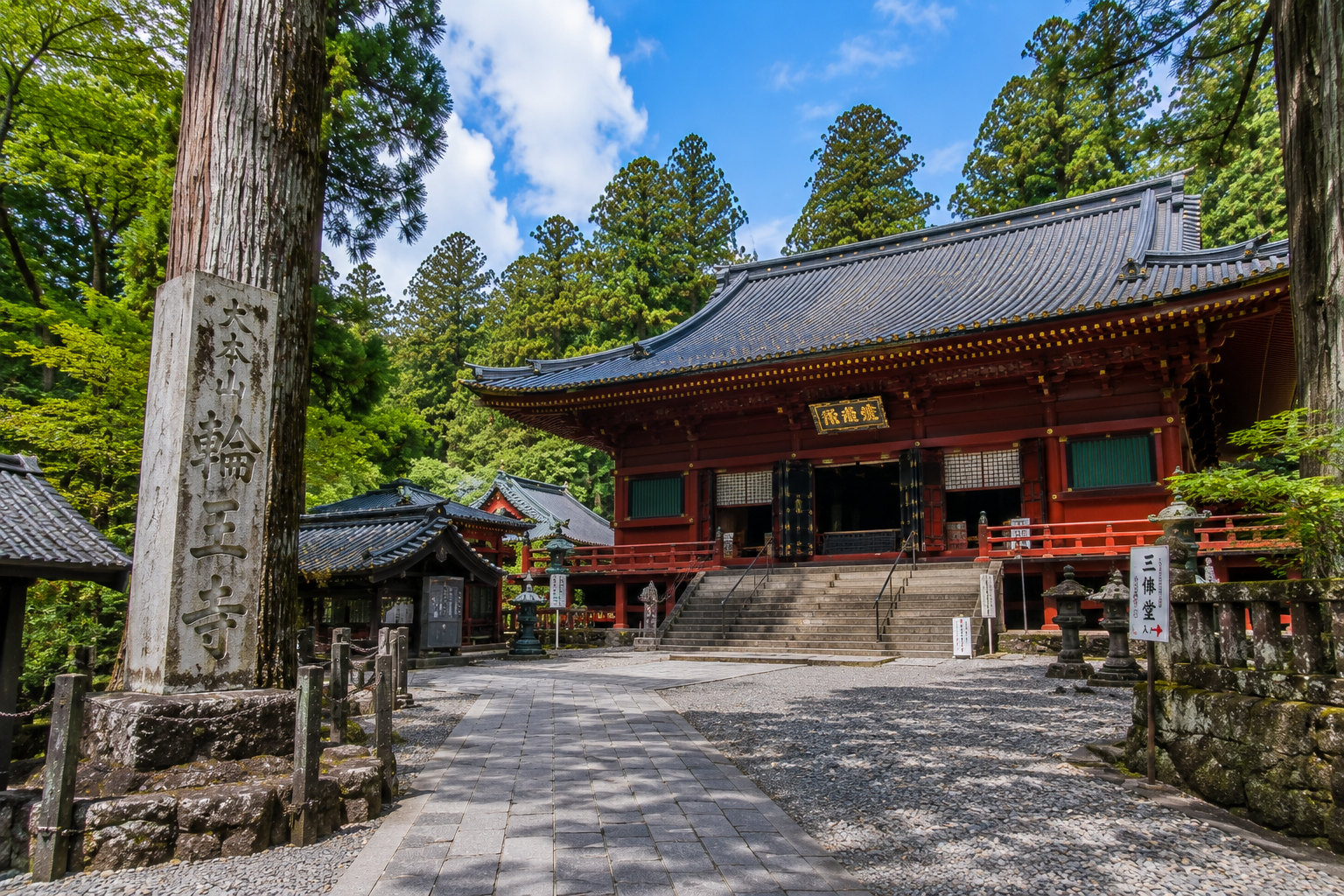
Rinnoji Temple and ancient cedar trees in Nikko

3 Rinnoji Temple & Futarasan Shrine

Suggested time: 45–60 minutes

Just a short walk from Toshogu Shrine, Rinnoji Temple and Futarasan Shrine offer a quieter, more peaceful side of Nikko. Surrounded by centuries-old cedar trees, these sacred sites provide a relaxing contrast to Toshogu's ornate architecture.

Rinnoji Temple is Nikko's oldest Buddhist temple and is famous for its impressive Sanbutsudo Hall, which houses three large gold-leaf Buddha statues. Nearby, Futarasan Shrine has welcomed worshippers for over 1,200 years and is dedicated to the sacred mountains surrounding Nikko.

Recommended things to do

  • Visit Rinnoji Temple's impressive Sanbutsudo Hall.
  • Walk beneath Nikko's towering cedar trees.
  • Collect a unique goshuin (temple or shrine stamp).
  • Enjoy the peaceful atmosphere away from the largest crowds.
💡
Private driver tip

Many visitors spend all of their time at Toshogu Shrine, but Rinnoji Temple and Futarasan Shrine are only a few minutes away and are well worth visiting. A flexible private itinerary lets you enjoy these quieter cultural landmarks without feeling rushed.
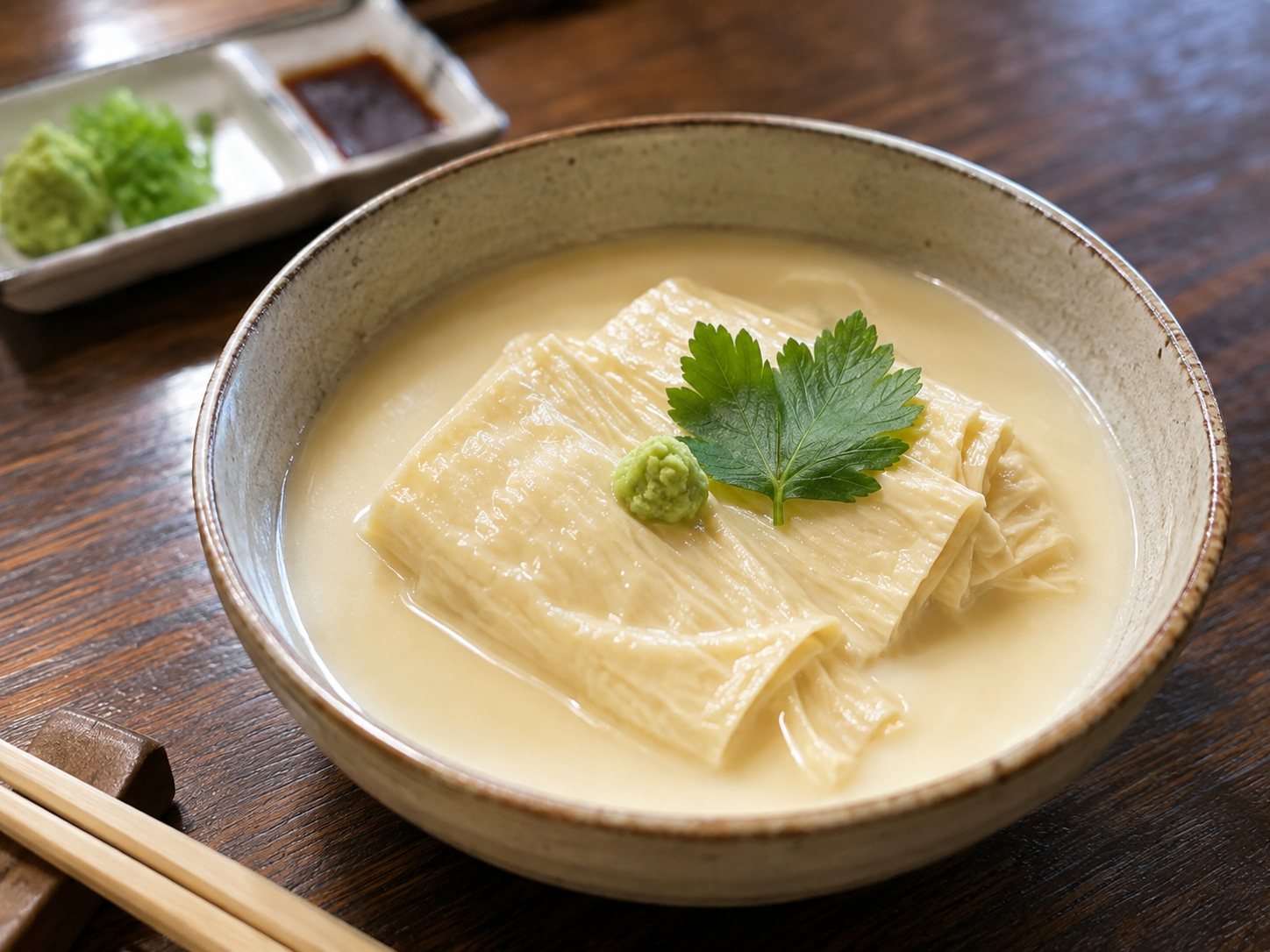
Traditional Nikko yuba tofu skin lunch

Lunch: Try Nikko's Famous Yuba Cuisine

Suggested time: 60–75 minutes

Before heading into Oku-Nikko, enjoy one of the region's signature specialties: Yuba (tofu skin). Nikko has been producing fresh yuba for centuries thanks to its exceptionally pure mountain spring water, making it one of the city's most iconic local foods.

Soft, delicate, and packed with soybean flavor, yuba is commonly served with soba noodles, rice, seasonal vegetables, tempura, or simply with soy sauce and a small amount of freshly grated wasabi.

What to Order

  • Fresh Yuba Set Meal (most popular)
  • Yuba Soba
  • Yuba Tempura
  • Seasonal Mountain Vegetable Set
  • Local Tochigi Wagyu Set (optional)

Most restaurants near the Toshogu Shrine area specialize in traditional Japanese cuisine, making this the perfect place to experience Nikko's local flavors before continuing to Lake Chuzenji and Kegon Falls.

Food tip

If you've never tried yuba before, start with a traditional set meal. It lets you sample several different preparations of this local specialty in one lunch. If you enjoy stronger flavors, adding a small amount of freshly grated wasabi to the yuba is a popular way to enjoy it.
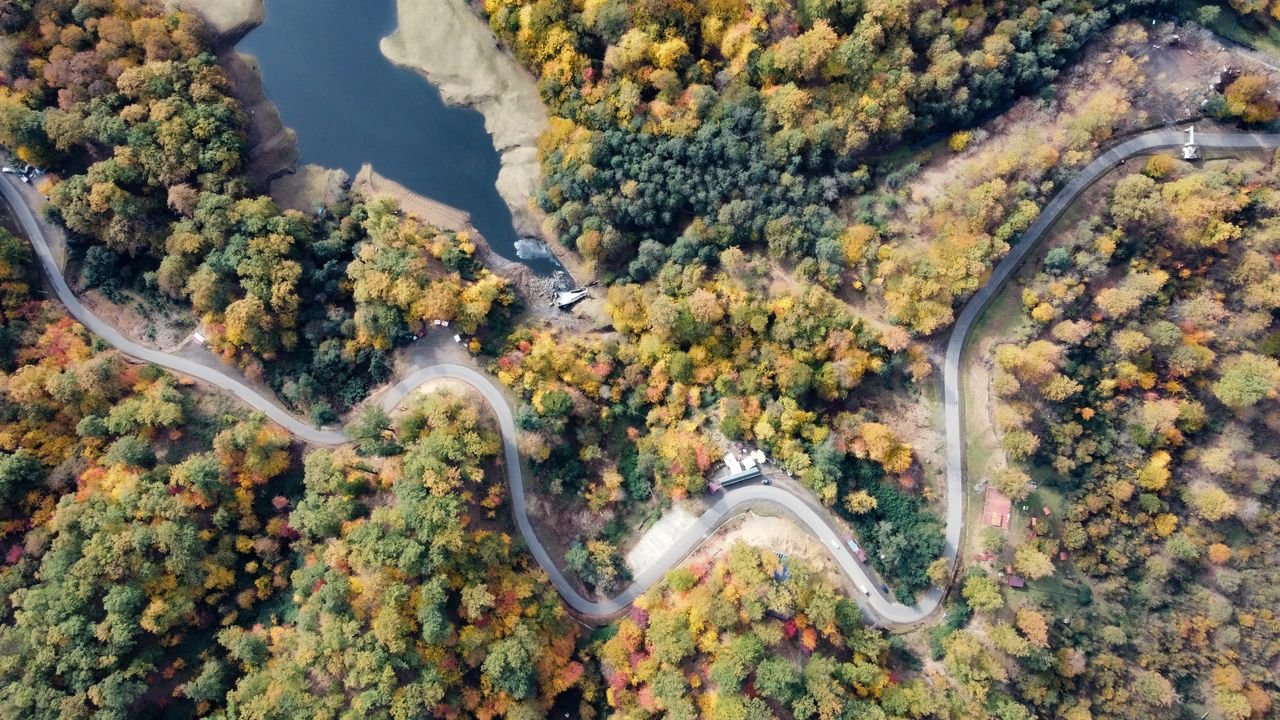
Irohazaka winding mountain road during autumn

4 Drive the Famous Irohazaka Winding Road

Suggested time: About 30 minutes

After lunch, continue into the Oku-Nikko mountain region via the legendary Irohazaka Winding Road. Connecting central Nikko with Lake Chuzenji, this scenic mountain route features 48 hairpin turns, each named after a character from the traditional Japanese alphabet.

The drive itself is one of Nikko's highlights. As you climb higher into the mountains, you'll enjoy sweeping views of dense forests, steep valleys, and seasonal scenery that changes dramatically throughout the year. During autumn, the surrounding hillsides become one of Japan's most celebrated destinations for fall foliage.

Highlights

  • Experience one of Japan's most scenic mountain roads.
  • Enjoy panoramic views on the drive toward Lake Chuzenji.
  • Look for designated viewpoints along the route.
  • Visit during autumn for spectacular red, orange, and yellow foliage.
💡
Private driver tip

The winding road can become congested during peak foliage season. Traveling with a private driver allows everyone in your group to enjoy the scenery instead of focusing on the challenging mountain drive.
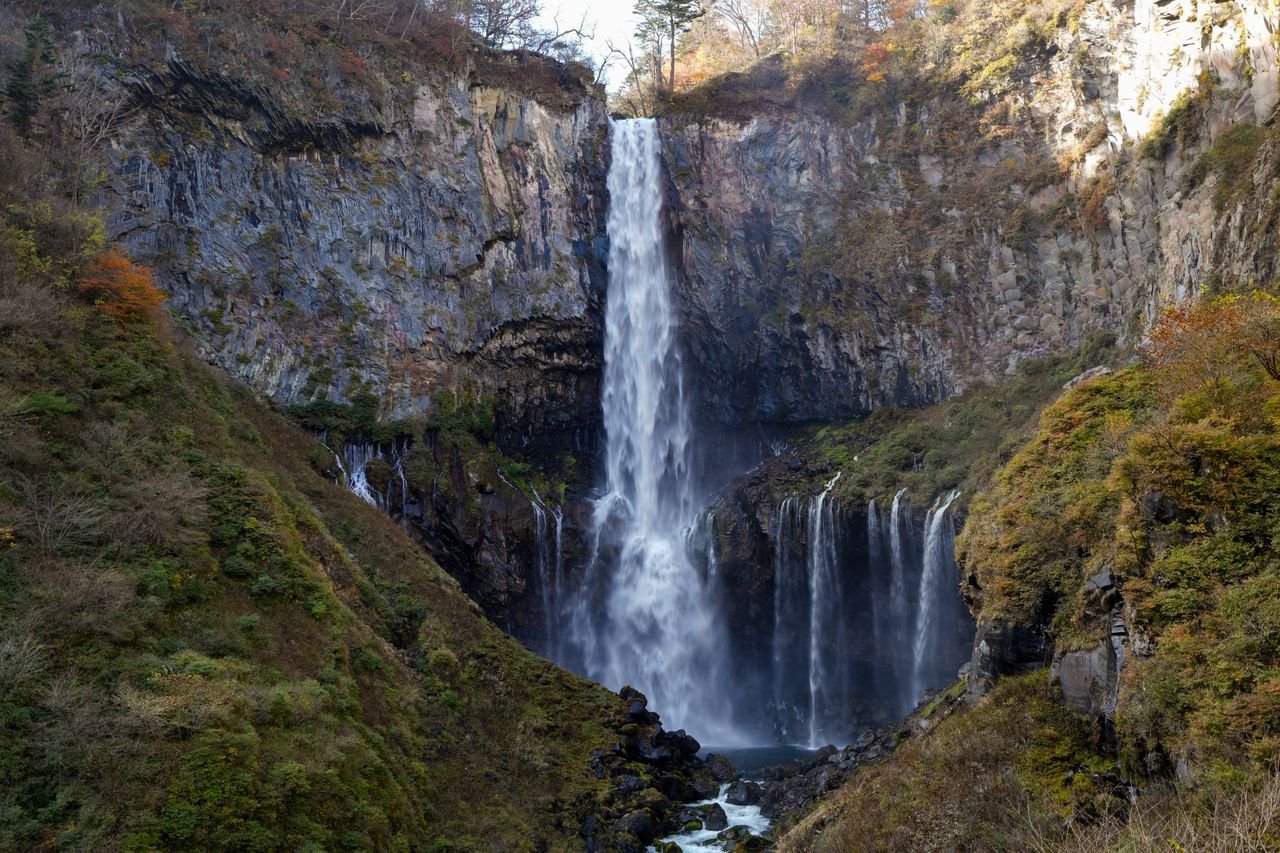
Kegon Falls waterfall in Nikko Japan

5 Kegon Falls

Suggested time: 45–60 minutes

Standing nearly 100 meters (328 feet) tall, Kegon Falls is one of Japan's Three Great Waterfalls and one of the most iconic natural attractions in Nikko National Park. Fed by the waters of Lake Chuzenji, the waterfall plunges dramatically into a rocky gorge below, creating an unforgettable view in every season.

Visitors can enjoy panoramic views from the free upper observation deck or take a short elevator ride down through the mountainside to the lower viewing platform for an up-close look at the cascading water and mist.

Highlights

  • See one of Japan's Three Great Waterfalls.
  • Ride the observation elevator for the best viewpoint.
  • Capture spectacular photos during autumn foliage and winter snow.
  • Browse nearby cafés and souvenir shops after your visit.
💡
Private driver tip

Parking areas and viewing platforms become extremely busy during autumn weekends. Traveling with a private driver allows you to arrive earlier, avoid parking stress, and spend as much time as you like enjoying the falls.
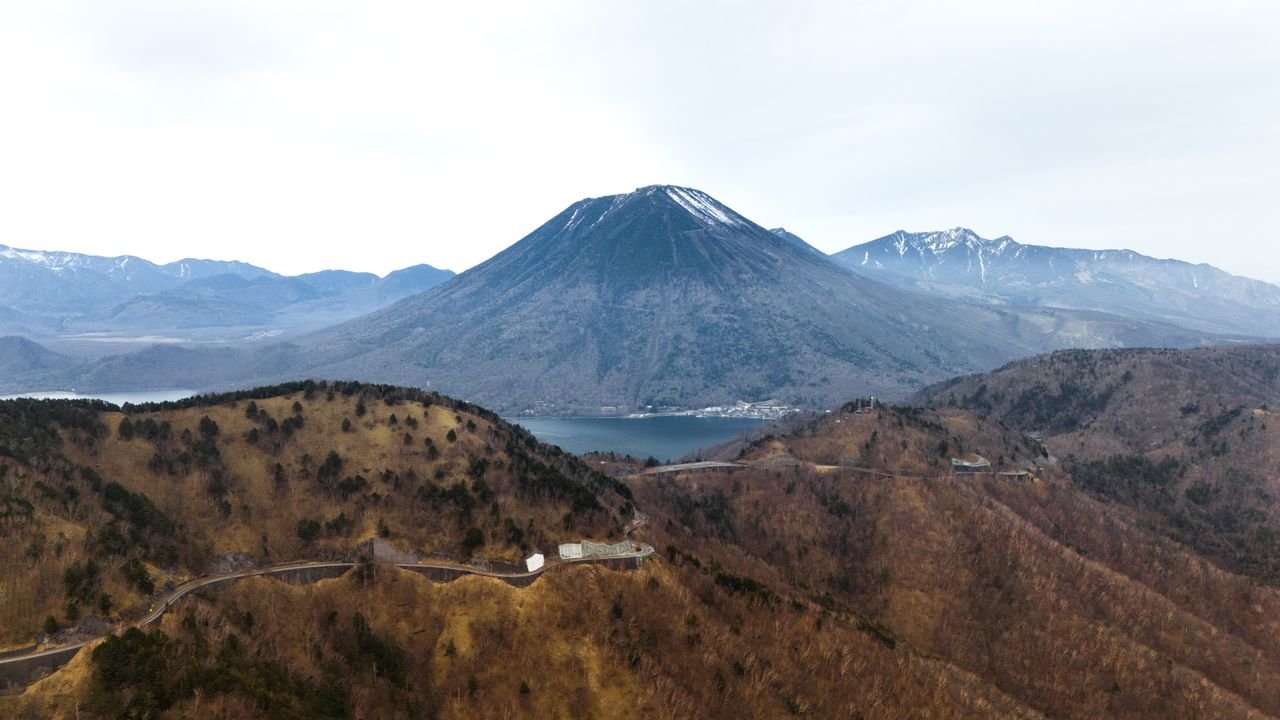
Lake Chuzenji and Mount Nantai in Nikko

6 Relax at Lake Chuzenji

Suggested time: 45–60 minutes

End your Nikko day trip at the tranquil shores of Lake Chuzenji, a beautiful volcanic lake created by the eruption of Mount Nantai over 20,000 years ago. Sitting nearly 1,300 meters (4,265 feet) above sea level, it is one of Japan's highest natural lakes and offers a peaceful escape surrounded by mountains.

The calm lakeside scenery is the perfect way to unwind after a day of temple visits and mountain sightseeing. On clear days, you'll enjoy reflections of Mount Nantai across the water, while each season brings its own unique charm—from lush greenery in summer to vibrant autumn foliage and snow-dusted landscapes in winter.

Highlights

  • Walk along the scenic lakeside promenade.
  • Enjoy views of Mount Nantai across the lake.
  • Relax at a waterfront café before returning to Tokyo.
  • Take a sightseeing cruise if time permits.
  • Capture beautiful sunset photos on clear evenings.
💡
Private driver tip

Finishing your day at Lake Chuzenji gives you flexibility to stay longer if the weather is beautiful or leave earlier if you'd like to avoid evening traffic back to Tokyo. A private driver lets you adjust your schedule without worrying about bus or train departure times.
Suggested Schedule by Private Driver

Time Plan
7:30 AM Hotel pickup in Tokyo
9:30 AM Shinkyo Bridge
10:00 AM Nikko Toshogu Shrine
12:00 PM Rinnoji Temple and Futarasan Shrine
1:00 PM Lunch
2:15 PM Irohazaka Winding Road
2:45 PM Kegon Falls
3:45 PM Lake Chuzenji
4:45 PM Return to Tokyo
6:45–7:30 PM Hotel drop-off

This schedule can be adjusted based on your pickup location, walking speed, season, traffic, and whether you prefer more time for shrines, photography, or mountain scenery.

Nikko Day Tour Options: Bus Tour, Train or Private Driver

There are three common ways to do a Nikko day trip from Tokyo. Each works well for different travelers:

OptionHow it worksBest for
Group bus tourA guided coach tour with a fixed route and schedule, usually leaving from a central Tokyo meeting point.Solo travelers and couples on a budget who don't mind a set pace and limited time at each stop.
Train on your ownTrain to Nikko, then walk and use local buses. Reaching Kegon Falls and Lake Chuzenji adds a bus ride each way.Independent travelers who are comfortable with timetables and focusing on central Nikko.
Private driverHotel pickup and drop-off in a private vehicle, with the route and timing set by your group.Families, seniors and groups who want to see both central Nikko and Lake Chuzenji in one day without bus transfers.

If you choose a private driver, see our Tokyo private driver page for vehicles and how booking works.

Entrance Fees & Hours

PlaceFeeHours
Nikko Toshogu Shrine¥1,600 adults and high school students; ¥495 elementary and junior high students9:00–17:00 (April–October); 9:00–16:00 (November–March). Last entry 30 minutes before closing.
Kegon Falls observation elevator¥600 adults; ¥400 childrenVaries by season, roughly 8:00–17:00, with longer hours in summer
Shinkyo BridgeFree to view from the road; small fee to walk on the bridgeDaytime
Rinnoji Temple and Futarasan ShrineSeparate tickets from ToshoguSimilar to Toshogu

Fees and hours can change, so check before you go. Allow extra time at Toshogu on weekends and in autumn, when lines are longer.

Best Time to Visit Nikko

🌸 Spring: April–May

Enjoy fresh greenery, comfortable temperatures, and seasonal flowers.

☀ Summer: June–August

Mountain areas are cooler than Tokyo and offer a refreshing escape from the city heat.

🍁 Autumn: Mid-October–Early November

Nikko's most popular season, with spectacular foliage around Irohazaka, Kegon Falls, and Lake Chuzenji.

❄ Winter: December–February

Snow-covered temples, frozen scenery, and fewer visitors create a quiet and atmospheric experience.

Who This Itinerary Is Best For

This Nikko day-trip route is best for:

  • First-time visitors to Japan
  • Couples
  • Families with children
  • Seniors who prefer comfortable transportation
  • Photographers
  • Autumn foliage lovers
  • History and culture enthusiasts
  • Travelers staying in Tokyo

This route may not be ideal for travelers looking for shopping, nightlife, or a short half-day excursion. Nikko is best enjoyed as a full-day journey.

Essential Nikko Travel Tips

Leave Tokyo Early

Aim to depart around 7:30 AM to reduce city traffic and arrive before many organized tour groups.

Wear Comfortable Shoes

Expect temple stairs, uneven stone paths, gravel, and lakeside walking.

Bring Extra Layers

Mountain temperatures are noticeably cooler than central Tokyo.

Allow More Time During Autumn

October and November are extremely popular. Roads, parking areas, and observation platforms can become crowded.

Prepare for the Winding Road

Travelers prone to motion sickness may want to prepare before driving the Irohazaka mountain road.

If You Have Extra Time

  • Kanmangafuchi Abyss: A quiet riverside walk lined with about 70 stone Jizo statues, roughly 20 minutes on foot from Shinkyo Bridge.
  • Ryuzu Falls: A wide, layered waterfall a short drive north of Lake Chuzenji, especially pretty in autumn.
  • Nikko Tamozawa Imperial Villa: A former imperial summer residence with traditional rooms and gardens, near central Nikko.
  • Edo Wonderland (Nikko Edomura): An Edo-period theme park in the Kinugawa area, popular with families. It is about 30 minutes by car from central Nikko and is best as a separate half day.

Frequently Asked Questions

Is Nikko worth a day trip from Tokyo?

Yes. Nikko combines UNESCO World Heritage shrines, waterfalls, lakes, and mountain scenery in one memorable day trip.

Can I visit Nikko without a car?

Yes. Trains connect Tokyo with Nikko, but reaching Kegon Falls and Lake Chuzenji requires additional local buses. A private driver offers a more flexible route.

Is Nikko good for families?

Yes. Nikko offers a balanced mix of temples, natural scenery, waterfalls, and relaxing stops that can work well for families.

Is Nikko suitable for seniors?

Yes, especially with private transportation. The route can be adjusted to reduce walking and avoid unnecessary train or bus transfers.

How much walking is involved?

The shrine area includes stairs and uneven paths. The amount of walking can be adjusted based on your group's comfort level.

Can the Nikko itinerary be customized?

Yes. The route can be adjusted to include Edo Wonderland, additional shrines, hiking, photography stops, or more time around Lake Chuzenji.

How long does it take to get from Tokyo to Nikko?

About 1 hour 50 minutes by Tobu Limited Express from Asakusa, about 1 hour 45 minutes to 2 hours by Shinkansen via Utsunomiya, or about 2 to 2.5 hours by car, depending on traffic.

Is the JR Pass valid to Nikko?

Yes, on the JR route: the Shinkansen from Tokyo or Ueno to Utsunomiya and the JR Nikko Line to JR Nikko Station are covered. Tobu trains from Asakusa are not covered, and on the JR/Tobu Limited Express "Nikko" from Shinjuku the pass covers only the JR section.

When is the best time to see autumn leaves in Nikko?

Autumn colors usually start in the higher Oku-Nikko area around Lake Chuzenji and the Irohazaka road in early to mid-October, and reach central Nikko around late October to early November. Peak dates change each year, so check a foliage forecast before you go.

cherry, sanctuary, buddhism, shintoism, architecture, nikko, japan, nikko, nikko, nikko, nikko, nikko

Need a Private Driver for Your Nikko Day Trip?

Tell us your travel details and we will recommend the best vehicle and itinerary for a comfortable and stress-free day.