
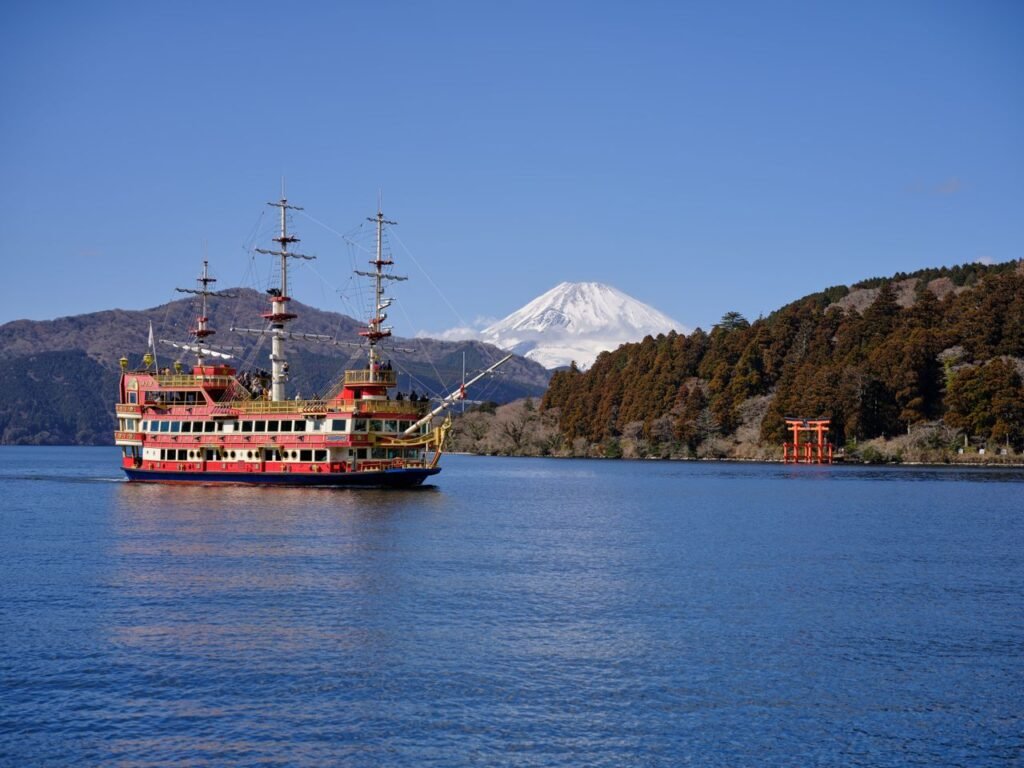
Nestled in the shadows of Mount Fuji, Hakone is one of Japan's most scenic day trips from Tokyo. Famous for its natural hot springs, volcanic valleys, mountain lakes, and historic shrines, Hakone offers a peaceful escape from the urban rush.
Whether you want to ride the Lake Ashi sightseeing cruise or travel in comfort with a door-to-door private driver, this guide answers the questions most travelers ask: how long the trip takes, whether to go by train or car, what it costs, when to go, and where to try a day-use onsen. It ends with a full 1-day Hakone itinerary.
Quick Navigation: Hakone Day Trip Highlights
Spring and autumn for comfortable weather. Clear days between October and April give the best chance of seeing Mt. Fuji.
Hakone Shrine, Owakudani, Lake Ashi Cruise, and Hakone Open-Air Museum.
About 80 minutes by Romancecar to Hakone-Yumoto, or 1.5 to 2 hours each way by car.
Couples, families, seniors, friend trips, and small groups.
How Long Does It Take to Get from Tokyo to Hakone?
Hakone is close enough for a day trip, but the journey is only part of the time. Here is what to expect each way from central Tokyo:
- Romancecar (train): About 80 minutes direct from Shinjuku Station to Hakone-Yumoto, according to Odakyu. Regular Odakyu trains take longer and may need a change.
- Private car: About 1.5 to 2 hours from most central Tokyo hotels. Traffic is the big variable, especially on weekends and holidays.
- Inside Hakone: Hakone-Yumoto is only the gateway. To reach Lake Ashi, Owakudani, and the other sights you still need local buses, the Hakone Tozan Railway, the cable car, the ropeway, or the cruise, and each runs on its own schedule.
Many visitors find that the train gets them to Hakone quickly, but the connections inside the mountains eat up the day. With a car, your driver takes you from sight to sight, so you spend more of your hours at the lake, the museum, or the onsen.
Train, Bus Tour or Car: How to Get from Tokyo to Hakone
There is no single best way to reach Hakone. The right choice depends on your group size, luggage, budget, and how much of the day you want to spend on transfers. Most travelers choose between the train, a group bus tour, or a private driver.
Train (Romancecar + Freepass)
- Best for: Solo travelers, couples on a budget, rail fans
- Travel to Hakone: About 80 minutes direct from Shinjuku to Hakone-Yumoto
- Inside Hakone: Local trains, buses, ropeway, and cruise on their own timetables
- Flexibility: Fixed timetables, with queues on popular connections
- Luggage: You carry it through stations and onto buses
Private driver
- Best for: Families, seniors, groups, and travelers with luggage
- Travel to Hakone: About 1.5 to 2 hours door to door, depending on traffic
- Inside Hakone: Your driver takes you between stops on your schedule
- Flexibility: Change stops for weather, Fuji views, or tired children
- Luggage and strollers: Stay in the vehicle
Group bus tour
- Best for: Solo travelers and couples who want a guide and a set plan
- Travel to Hakone: Coach from a meeting point in central Tokyo, usually around 2 hours or more each way with traffic
- Inside Hakone: Set stops, often including the Lake Ashi cruise, the ropeway and Owakudani
- Flexibility: Fixed schedule and limited time at each stop, with no changes for weather
- Luggage: Usually limited, and pickup is at a set meeting point rather than your hotel
Option 1: Train with the Hakone Freepass
The Odakyu Hakone Freepass covers a round trip on the Odakyu Line between Shinjuku and Odawara, plus unlimited rides on the Hakone Tozan Railway and cable car, the Hakone Ropeway, the Hakone Sightseeing Cruise (including the Lake Ashi pirate ships), and three bus services in the designated area. A 2-day pass from Shinjuku costs ¥7,100 for adults and ¥1,600 for children aged 6 to 11, and a 3-day pass costs ¥7,500 for adults and ¥1,850 for children. The Romancecar is not included. Reserving a Romancecar seat adds ¥1,200 for adults and ¥600 for children each way to Hakone-Yumoto. Check the official Odakyu page for current fares.
The pass is good value if you want to ride the full loop of trains, cable car, ropeway, and cruise. The trade-off is time: you plan around timetables, and popular connections can have queues.
Option 2: Door-to-Door Private Car Service
Recommended for families, seniors, couples, and small groups.
- Direct hotel pickup and drop-off: No luggage dragging or navigating crowded stations.
- Customizable itinerary: Adjust your schedule around weather, crowds, and Mt. Fuji visibility.
- Maximized time: Reach scenic areas without waiting for local buses or transfers.
Tell us your travel date, hotel area, group size, and luggage count for a Hakone private driver quote.
How Much Does a Hakone Day Trip from Tokyo Cost?
The cost depends on how you travel and how many people share it. Here is a simple way to compare:
| Option | What you pay |
|---|---|
| Train with Freepass | 2-day Freepass from Shinjuku: ¥7,100 per adult, ¥1,600 per child (6–11). A reserved Romancecar seat adds ¥1,200 per adult each way. Meals and admissions are extra. |
| Private driver | From $580 for a 10-hour day. The price is for the vehicle, not per person. Tolls and parking are included. Admissions, meals, and overtime are extra. |
For a family of four adults, the passes alone come to ¥28,400 before any Romancecar surcharge, meals, or admissions. A private driver from $580 for the same group works out to about $145 per person, and it includes hotel pickup, your own schedule, and a place to leave your bags. For one or two travelers on a budget, the train is almost always cheaper. For groups of three or more, and for families with children or older parents, the gap shrinks.
Your final price depends on vehicle size, passengers, date, and pickup location. You get a written quote in US dollars before you book. See our private driver cost guide for how pricing works across Japan.
The Ultimate 1-Day Hakone Itinerary
There are two classic ways to see Hakone in a day. The route below is ordered for a private driver, starting at the lake before the crowds. Going by train? Follow the Hakone Loop further down instead.
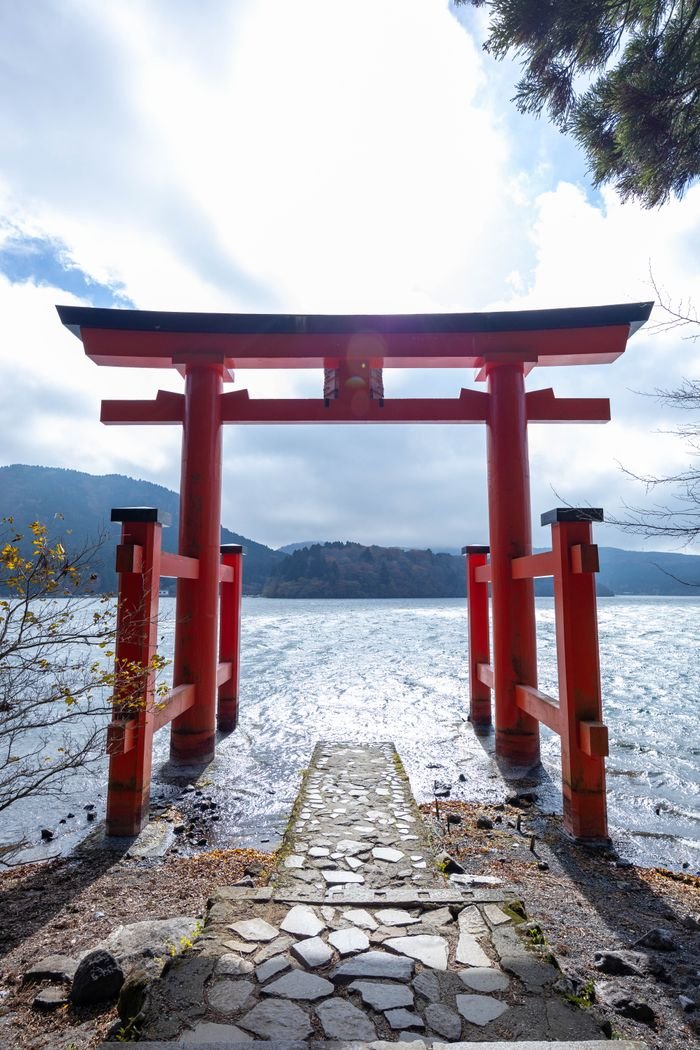
Morning: Hakone Shrine & Lake Ashi Torii Gate
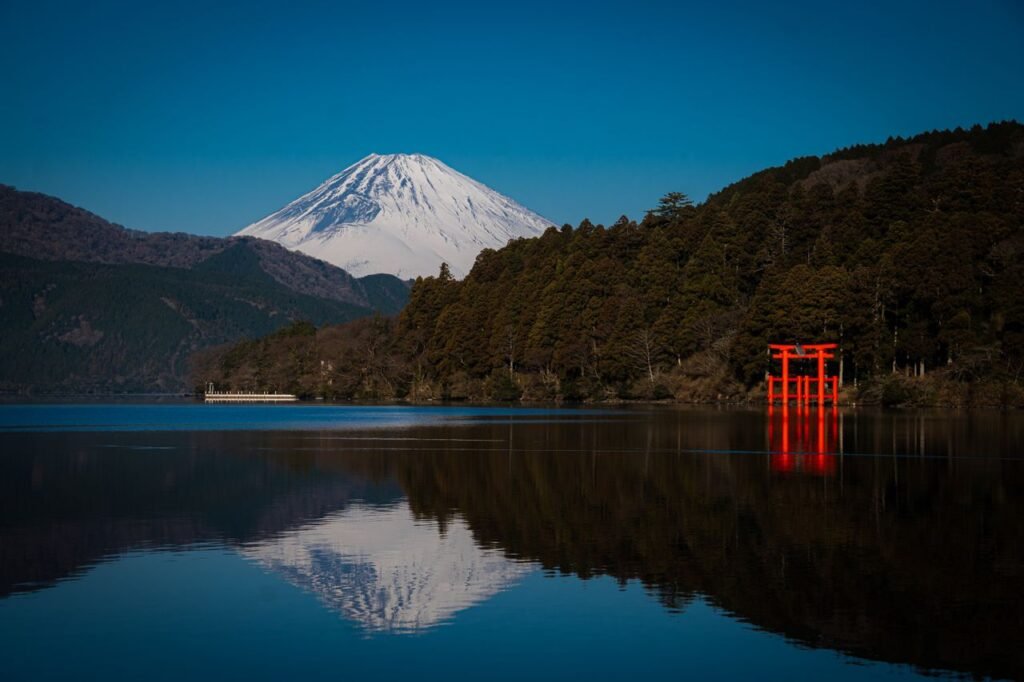
Start your morning at Hakone Shrine, located along the shores of Lake Ashi. Walk through the forest paths to reach the famous red Heiwa no Torii, one of Hakone’s most iconic photo spots.
Pro tip: Arrive before 9:30 AM to avoid long photo lines at the lake gate.
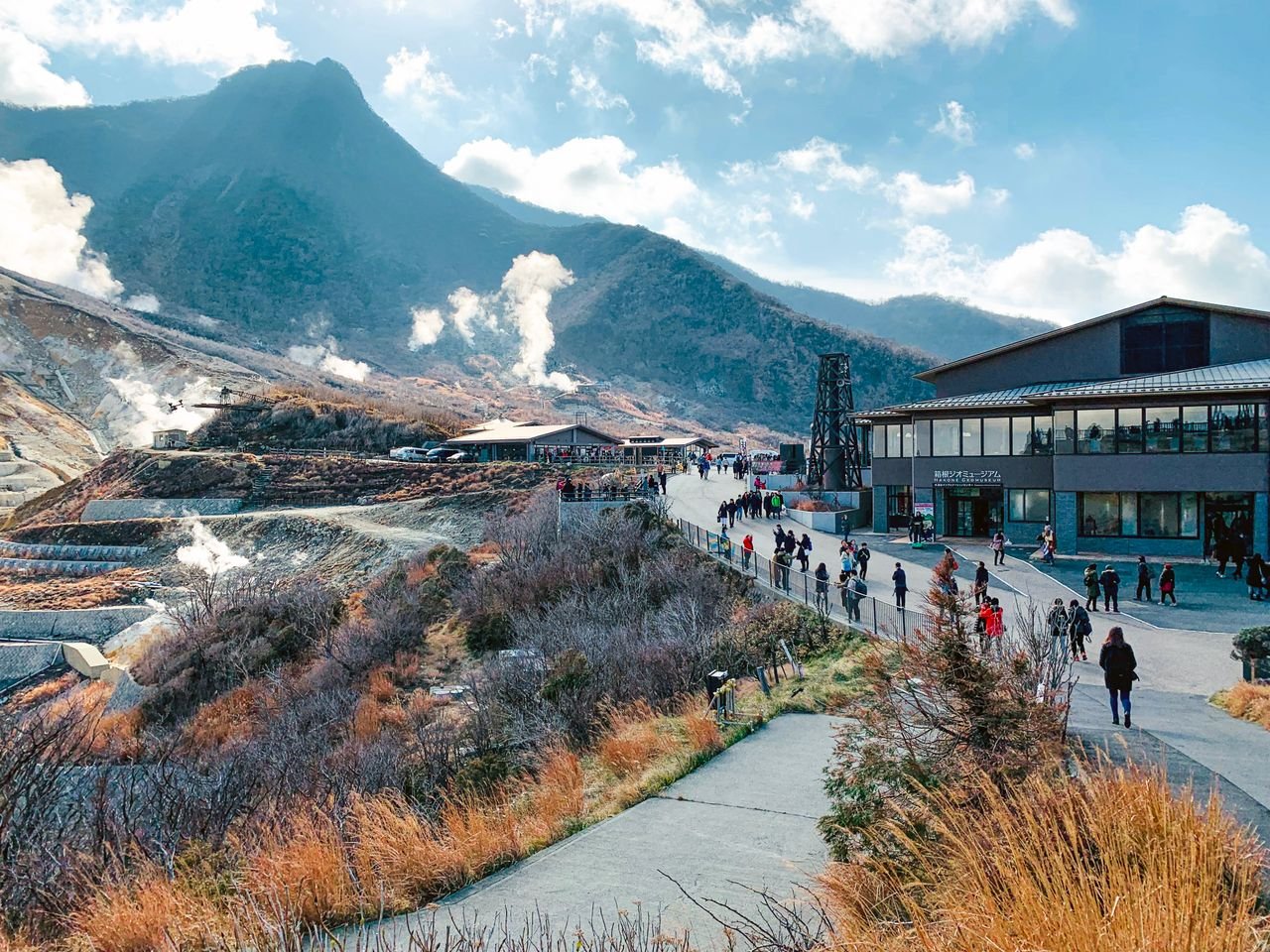
Mid-Day: Owakudani Volcanic Valley & Black Eggs
Take the Hakone Ropeway up to Owakudani, an active volcanic area with steaming sulfur vents, dramatic mountain views, and Hakone’s famous black eggs.
Must-try: Eat a Kuro-Tamago black egg, one of Hakone’s classic local experiences.
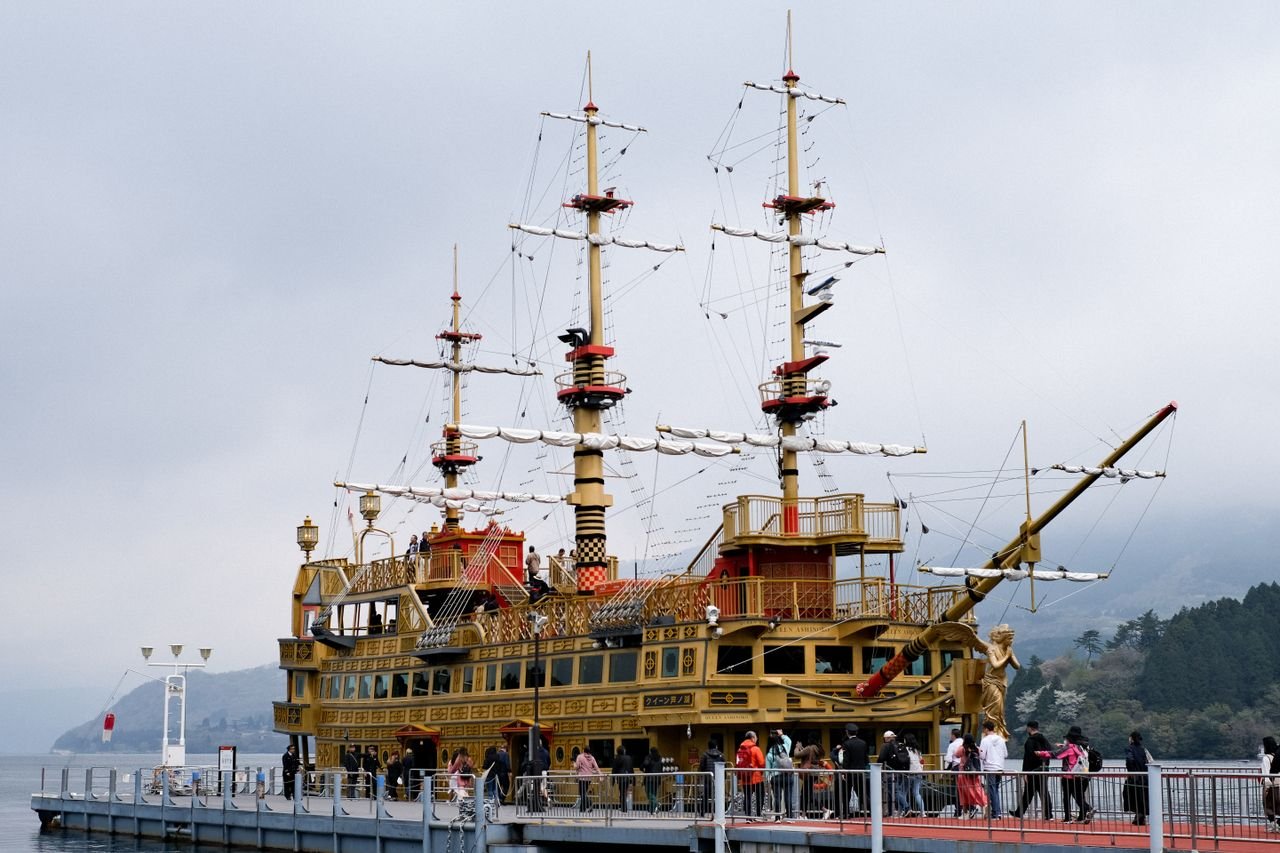
Early Afternoon: Lake Ashi Sightseeing Cruise
Board a scenic cruise across Lake Ashi. On clear days, you may see Mount Fuji rising behind the lake and surrounding mountain peaks.
Late Afternoon: Hakone Open-Air Museum or Day-Use Onsen
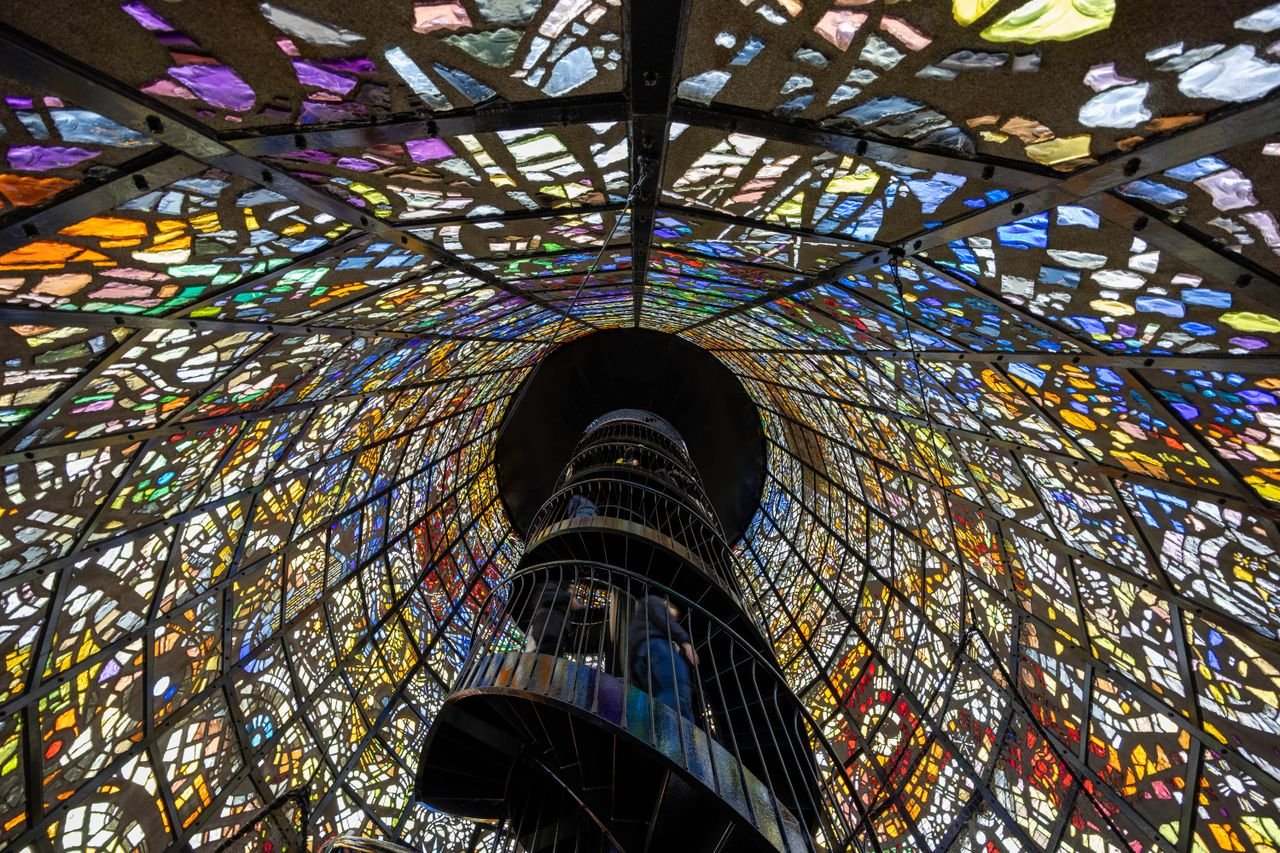
End your day with either the Hakone Open-Air Museum or a relaxing day-use onsen before heading back to Tokyo.
- For art lovers: Visit the Hakone Open-Air Museum, open 9:00 to 17:00 with last admission 30 minutes before closing. Check the official site for fees and closures.
- For relaxation: Choose a day-use hot spring (see our onsen guide below).
The Classic Hakone Loop by Train
If you are using the Hakone Freepass, the classic way to see Hakone is a one-way loop that uses almost every kind of transport in the area. Here is the usual counterclockwise order, with typical ride times:
- Romancecar from Shinjuku to Hakone-Yumoto: about 80 minutes. The reserved-seat fee is extra and not covered by the Freepass.
- Hakone Tozan Railway to Gora: about 35 to 40 minutes, climbing the mountain in a series of switchbacks.
- Cable car from Gora to Sounzan: about 10 minutes.
- Hakone Ropeway to Owakudani: get off here for the volcanic valley and black eggs, then continue to Togendai on Lake Ashi. The ropeway takes about 30 minutes in total.
- Lake Ashi sightseeing cruise: about 30 minutes from Togendai to Hakone-machi, with most boats continuing to Moto-Hakone.
- Hakone Shrine: a short walk from Moto-Hakone port, with the red torii gate standing in the lake.
- Bus back to Hakone-Yumoto: about 35 minutes, then the train back to Tokyo.
Good to know: The ropeway can be suspended because of strong wind or volcanic gas at Owakudani, and replacement buses run when it is. Weekend and holiday queues for the ropeway and cruise can add an hour or more, so start early.
Sample Hakone Day Trip Schedules
Two sample days from central Tokyo. Times are estimates and change with season, queues and traffic.
By private driver
| Time | Plan |
|---|---|
| 8:00 AM | Hotel pickup in Tokyo |
| 9:45 AM | Hakone Shrine and the Lake Ashi torii gate |
| 11:00 AM | Ropeway to Owakudani; your driver meets you at the other station |
| 12:30 PM | Lunch near Lake Ashi |
| 1:30 PM | Lake Ashi sightseeing cruise |
| 2:45 PM | Hakone Open-Air Museum or a day-use onsen |
| 4:15 PM | Leave Hakone |
| About 6:00 PM | Drop-off at your Tokyo hotel, depending on traffic |
By train (Hakone Loop)
| Time | Plan |
|---|---|
| 8:00 AM | Romancecar from Shinjuku |
| 9:20 AM | Arrive Hakone-Yumoto; Hakone Tozan Railway to Gora |
| 10:15 AM | Cable car to Sounzan, then ropeway to Owakudani |
| 11:00 AM | Owakudani and black eggs |
| 12:15 PM | Ropeway to Togendai; lunch by the lake |
| 1:45 PM | Lake Ashi cruise to Moto-Hakone |
| 2:30 PM | Hakone Shrine and the lakeside torii |
| 3:45 PM | Bus to Hakone-Yumoto; stroll or onsen in town |
| About 6:00 PM | Romancecar back to Shinjuku |
If You Have Extra Time in Hakone
Hakone-Yumoto
The hot spring town at the gateway to Hakone, with a shopping street of snacks and souvenirs. An easy last stop before the train or drive home.
Gora Park
A French-style garden a short walk from Gora Station on the Hakone Loop, with seasonal flowers and a greenhouse. There is a small entry fee.
Onshi-Hakone Park
The grounds of a former imperial villa on a small peninsula in Lake Ashi. On clear days it is one of the best viewpoints for Mt. Fuji across the lake.
Hakone Checkpoint
A reconstruction of the Edo-period checkpoint that once controlled travel on the Tokaido road, near Hakone-machi port. A short, easy history stop.
Best Time to Visit Hakone
Hakone works year-round, but the season changes what you will see:
Spring: March to May
Mild weather and fresh greenery make it comfortable for walking around the lake and shrine.
Summer: June to August
Hakone is cooler than central Tokyo, but it can be hazy or rainy. Mt. Fuji is often hidden by clouds.
Autumn: October to November
Popular for fall colors. Roads, the ropeway, and the cruise can be crowded on weekends.
Winter: December to February
Cold, clear mornings give you the best chance of seeing Mt. Fuji across Lake Ashi. Dress in layers.
If seeing Mt. Fuji is your priority, aim for clear days between October and April and go early in the morning, since clouds often build later in the day. Visibility cannot be guaranteed. Weekdays are quieter than weekends and holidays in every season.
Hakone Day-Use Onsen: What to Know
Hakone is one of the best places near Tokyo to soak in a hot spring without staying overnight. Many onsen facilities and some hotels offer day-use bathing, so you can end the day with a soak before the ride back to Tokyo.
- Plan 1 to 2 hours: Allow time to change, soak, and cool down. Build this into your schedule so you are not rushing the last stop.
- Bring a small towel: Some facilities sell one at the front desk. For example, Tenzan Tohji-kyo sells its own towel for ¥200 and asks guests to bring a small towel to the bathing areas.
- Bring cash: Tenzan notes that payment is generally cash only, and there are no nearby ATMs. Check payment options at your chosen onsen.
- Check the tattoo policy: Many onsen restrict tattoos. Policies vary by facility, so confirm before you go. Tenzan admits guests with tattoos only under conditions and asks them to cover the tattoos with a jacket.
- Wash before you soak: Rinse at the washing stations first. Swimsuits are not allowed in traditional baths.
Opening hours, prices, and tattoo rules differ by onsen and can change, so check the facility's official page before you go. Tell us which onsen you prefer when you request a quote and we will plan the route and timing around it.
Essential Tips for Visiting Hakone
Check Mt. Fuji Weather Forecasts
Clear winter mornings usually offer the best chance of seeing Mt. Fuji. If Mt. Fuji is your main goal, consider a dedicated Mount Fuji private driver day trip instead.
Pack Layers
Hakone is in the mountains, so temperatures can be cooler than downtown Tokyo.
Avoid Weekend Traffic Bottlenecks
Public buses and mountain roads can get crowded on weekends and holidays.
Check Owakudani and Ropeway Status
Volcanic activity and weather can limit access to Owakudani or pause the ropeway. Check the official pages before you go, and plan a backup stop.
Start Early
Arrive at Lake Ashi before 9:30 AM to beat the photo lines at the torii gate and to get the clearest light.
Wear Comfortable Shoes
You will walk on forest paths, shrine steps, and lakeside paths.
Hakone Day Trip FAQ
Can you do Hakone as a day trip from Tokyo?
Yes. Hakone is a popular day trip, and a full day covers the highlights: Hakone Shrine, Owakudani, Lake Ashi, and either the Open-Air Museum or an onsen.
How long does it take to get from Tokyo to Hakone?
The Odakyu Romancecar takes about 80 minutes from Shinjuku to Hakone-Yumoto. By car, plan about 1.5 to 2 hours each way, depending on traffic. Getting around inside Hakone adds more time.
Is the Romancecar worth it?
It is the fastest and most comfortable train option, but it is not included in the Hakone Freepass. A reserved seat adds ¥1,200 for adults and ¥600 for children each way to Hakone-Yumoto, so it suits travelers who want a reserved seat and a quicker ride.
Is a private driver worth it for Hakone?
It is often worth it for families, seniors, and groups, because you avoid transfers between buses, the cable car, the ropeway, and the cruise. Solo travelers and couples on a budget may prefer the train. Day trips to Hakone start at $580 for a 10-hour day.
How much does a Hakone day trip cost?
By train, a 2-day Hakone Freepass from Shinjuku is ¥7,100 for adults and ¥1,600 for children (6–11), plus meals and admissions. By private driver, the price starts at $580 for the vehicle. See the Hakone private driver page for details.
What is the best time to visit Hakone?
Spring and autumn are comfortable for sightseeing. For the best chance of seeing Mt. Fuji, choose a clear day between October and April and go early.
Can I use a day-use onsen if I have tattoos?
It depends on the facility. Many onsen restrict tattoos, and some admit guests with conditions. Check the onsen's own policy before you go.
Will I see Mt. Fuji from Hakone?
On clear days you can see Mt. Fuji from spots such as Lake Ashi and Owakudani, but visibility depends on the weather and cannot be guaranteed.
Helpful Japan Travel Guides for Your Trip
Planning more than one day trip from Tokyo? These related guides can help you compare routes, choose the best transportation option, and plan a smoother Japan itinerary.
Mt. Fuji Day Trip from Tokyo
Compare scenic Mt. Fuji stops, travel time, and private driver route options from Tokyo.
Read the Mt. Fuji guide →Best Day Trips from Tokyo
Compare Hakone, Mt. Fuji, Nikko, Kamakura, and more day trips from Tokyo.
Compare day trips →Tokyo Airport Transfer Guide
Learn the best ways to get from Narita or Haneda Airport to your Tokyo hotel with luggage.
View airport transfer tips →Tokyo Travel Guide for First-Time Visitors
See where to stay, what to plan, and which day trips are easiest from Tokyo.
Explore Tokyo guides →Hakone Private Driver
Hotel pickup in Tokyo, a private vehicle and a Hakone route built around your stops.
See the Hakone driver service →Kamakura Day Trip from Tokyo
The Great Buddha, Hase-dera and Enoshima, about an hour from Tokyo.
Read the Kamakura guide →Nikko Day Trip from Tokyo
Toshogu Shrine, Shinkyo Bridge and mountain waterfalls north of Tokyo.
Read the Nikko guide →Official Resources to Check Before Visiting Hakone
Weather, ropeway operations, and sightseeing conditions can change, especially in mountain areas. Before your Hakone day trip, check official tourism and transportation resources for the latest updates.
- Hakone Navi Official Tourism and Transportation Guide — helpful for Hakone transportation, sightseeing routes, area updates, and travel planning.
- Hakone Ropeway Information on Hakone Navi — useful for checking route details before visiting Owakudani and Lake Ashi.
- Odakyu Hakone Freepass — current pass prices, what is covered, and Romancecar surcharges.
- Hakone Open-Air Museum — opening hours and visitor information.
- Owakudani Official Visitor Information — useful for checking Owakudani sightseeing information, black eggs, and volcanic valley details.
- Japan National Tourism Organization Official Travel Guide — Japan’s official tourism website for general travel planning, seasonal tips, and destination information.
Plan Your Hakone Day Trip
Tell us your travel details and we will recommend the best vehicle and itinerary for a comfortable and stress-free day.